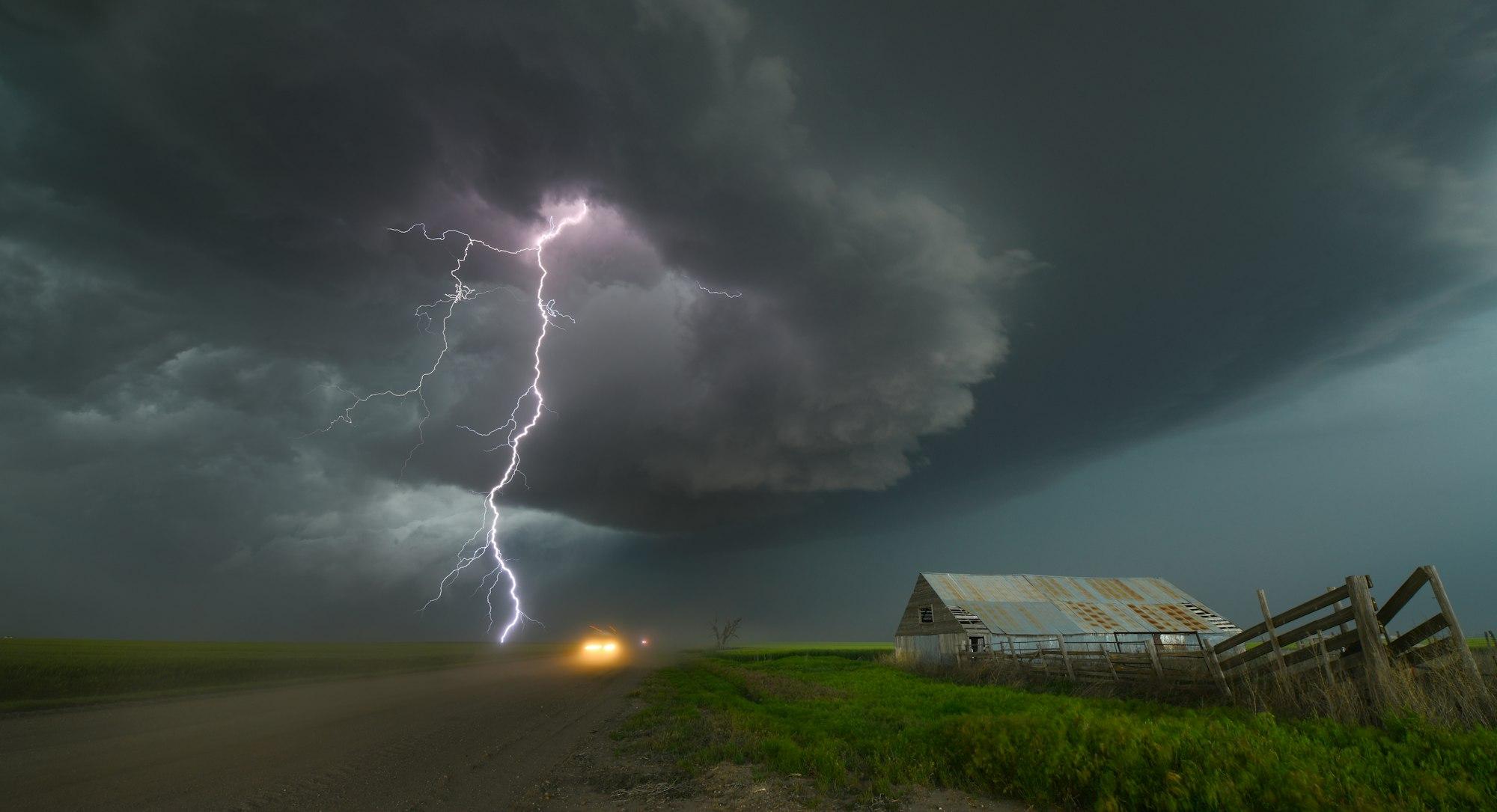
Surge protection
Whole-house surge protection at the panel.
Wyatt Electric installs whole-house surge protectors in homes across Harford County, Baltimore County and Baltimore City. Mounted at your electrical panel, a surge protective device guards every circuit in the house, from the HVAC and appliances to the electronics plugged in at the wall.
- ★5.0 · 12 Google reviews
- 4 Master Electricians on staff
- Licensed & insured
- Veteran owned
- 5.0 stars12 Google reviews
- Since 198640 years in business
- 4 MastersMaster Electricians
- Veteran ownedLicensed & insured
- ESGR 2010Above & Beyond Award
The short answer
Is a whole-house surge protector worth it?
For most homes, yes. Plug-in strips only protect what's plugged into them. A surge protector at the panel limits surges coming in on the utility line before they reach any circuit, including hardwired equipment like your furnace, heat pump, well pump and range. It's a modest job, usually done in one visit.
- Protects hardwired equipment that power strips can't
- Covers every circuit from one device at the panel
- Works alongside point-of-use strips for sensitive electronics
- Required by the current NEC when a home's service is installed or replaced
- A natural add-on to a panel upgrade, generator or EV charger install
- Most devices show a status light so you can see they're working
How it works
One visit, one device.
- 1
We check the panel.
We look at your panel and grounding, because a surge protector only works as well as the ground it sends the surge to.
- 2
We pick the right device.
We match the surge protector to your panel: a breaker-style unit or one mounted beside the panel, depending on space and what you have.
- 3
We install and test.
The device goes in on its own breaker with short, direct leads. We check grounding and bonding while we're there and fix what needs it.
- 4
We show you what to watch.
We point out the status indicator and explain what it means if it ever changes, so you know when the device has done its job and needs replacing.
Layers of protection
Panel protector vs. power strip.
The two do different jobs. Most homes are best served by a whole-house device at the panel, plus point-of-use strips where expensive electronics live.
Where it goes
- Whole-house surge protector
- At the electrical panel, on its own breaker.
- Plug-in surge strip
- At the outlet, between the wall and your devices.
What it protects
- Whole-house surge protector
- Every circuit, including hardwired HVAC, appliances, well pumps and lighting.
- Plug-in surge strip
- Only what's plugged into it.
What it stops
- Whole-house surge protector
- Surges arriving on the utility service.
- Plug-in surge strip
- Leftover surges at the device, including ones created inside the house.
Who installs it
- Whole-house surge protector
- A licensed electrician.
- Plug-in surge strip
- You.
| Compared | Whole-house surge protector | Plug-in surge strip |
|---|---|---|
| Where it goes | At the electrical panel, on its own breaker. | At the outlet, between the wall and your devices. |
| What it protects | Every circuit, including hardwired HVAC, appliances, well pumps and lighting. | Only what's plugged into it. |
| What it stops | Surges arriving on the utility service. | Leftover surges at the device, including ones created inside the house. |
| Who installs it | A licensed electrician. | You. |
No surge protector can promise protection from a direct lightning strike. Sources are listed at the bottom of this page.
Google reviews
What our customers say.
“They show up early and they work. They are professional, clean, and friendly. All my questions and concerns were addressed while they were on the worksite.”
“They show up on time, explain everything clearly, and do top-quality work every single time. It’s such a relief to have electricians we fully trust and we won’t use anyone else.”
“We have called Wyatt Electric twice, once in 2020 and again just recently. They fixed all of our problems and left our home clean, even after installing a ceiling fan in my daughter's bedroom.”
Surge protection questions
Before you book.
Does code require a whole-house surge protector?
For new and replaced services, yes. Section 230.67 of the National Electrical Code requires a surge protective device on services supplying dwelling units. It first appeared in the 2020 NEC, which Baltimore City enforces, and carries into the 2023 NEC that Harford County and Baltimore County enforce.
Where do surges come from?
Lightning and utility switching send surges in from outside. Motors and compressors cycling inside the house create smaller ones every day. A panel device handles the big ones from outside; point-of-use strips help with the rest.
Will a surge protector save my electronics from lightning?
It greatly lowers the risk from surges that come in on the power line, but nothing protects against a direct strike to the house. Cable, satellite and phone lines can carry surges too, so they should be properly grounded where they enter.
Can you add one when you upgrade my panel?
Yes, and it's the easiest time to do it. If your service is being replaced, the current code requires one anyway. See our panel upgrade page for how that job works.
What kind of surge protector do you install?
A surge protective device listed to UL 1449, the safety standard for these devices. Type 1 units can go on the supply side of the main breaker; Type 2 units go on the load side, inside or beside the panel, which is where most homes get theirs. We choose the type and rating to suit your panel and service, and explain why.
How long does a whole-house surge protector last?
It depends on how many surges it absorbs. Most units have an indicator light that tells you when protection is used up and the device should be replaced.
How do I get a price?
Book a visit online or call 410-557-8557. We check your panel and grounding, then give you the price before any work starts.
Where we work · Surge protection
Three jurisdictions, one crew.
Each one has its own permit office and code edition. We work in all three and pull the permits ourselves.
- Harford CountyJarrettsville, Bel Air, Fallston, Forest Hill and the rest of the county.Electrician in Harford County
- Baltimore CountyTowson, Hunt Valley, Phoenix, Monkton, Sparks and the rest of the county.Electrician in Baltimore County
- Baltimore CityRowhomes and older houses across Baltimore City.Electrician in Baltimore City
Related services
Pairs well with surge protection.
Sources
- NFPA 70: National Electrical Code (2020 and 2023 editions)
- Harford County: permits, Permit Center and 2023 NEC adoption (Bill 24-06)
- Baltimore County Permits, Approvals and Inspections: electrical inspections
- Baltimore City Building, Fire and Related Codes, Part III (NEC 2020)
- Baltimore City DHCD: ePermits
Book a visit
Tell us what's going on.
We'll take it from there.
Book online in about a minute, or call or text 410-557-8557, Monday–Friday, 7am–6pm. We confirm by text, and a licensed electrician shows up in your window.
Burning smell, sparking or no power? Don't book online. Call now: 410-557-8557